Words by Dr Darragh Garrahy
With the bulk of the Amateur season now behind us, notably including the Lytham Trophy, the St Andrews Links, The Amateur Championship, the European Amateur Championship, and last week’s South of Ireland at Lahinch itself, the jostling for position on the Great Britain & Irish Walker Cup team is reaching a crescendo. A large majority of the team will no doubt pick themselves based on form, experience and a sprinkling of data that will help Dean Robertson and his selectors put their best foot forward at Lahinch in early September.
There is always interest in who makes the team and gets to breathe the rarefied air of a Walker Cup. The how of selection rightfully occupies a less interesting side-note but it might bear more similarity to the process instituted by Micklem & Oppenheimer than you’d think, having been shaken up in the 1950s from a place of nepotism and dubious picks based on society golf events and less on actual form.
Gerald Micklem and Raymond Oppenheimer were giants of the amateur game in GB & I for many decades; the Men’s Home International trophy is the Raymond Trophy, and Micklem did more for golf administration than just about anyone in history. Both men had familial wealth, plenty of free time (Oppenheimer was a world expert on breeding bull terriers) and both remained bachelors their whole lives. Born six years apart, they devoted their lives to playing high level amateur golf just after World War II.
Oppenheimer captained the Walker Cup team in ’51 and Micklem did so in ’57 and ’59. Prior to Oppenheimer taking over the selection process and practice regimen, things could be described as parochial at best, with events like the President’s Putter and The Sunningdale Foursomes having an outsize bearing on selection, both having plenty of selectors eyes on them, and without the competitive strokeplay element required to truly draw out a man’s real form. Though the Walker Cup is played over matchplay, the purest form of the game, the card and pencil championships and practice weekends are best at highlighting form.
A shake up came when Micklem and Oppenheimer established selection committees on a national basis, taking power away from a previously St. Andrew’s led committee who found it easier, more gentlemanly and more congenial to pick from the same pool (of their favourites) for each Cup. Our duo were the first to put structure on practice – in 1959 they had organized a Lytham Invitational event for 40 players, over 72 holes, a month before the Walker Cup itself at Muirfield. And the week before that, they used The Berkshire Trophy as an official trial, combining the scores from the two 72 hole events to use as a guiding light for selection. However they left room for maneuverability-after golf had concluded on the Friday evening at The Berkshire, with England’s Michael Lunt playing well but driving erratically somewhat, they drove to Muirfield to assess the course condition and rough. Satisfied that the rough was benign from a dry spring, they resolved to select Lunt if he kept his scoring up at Lytham, which he did. Though their efforts were in vain (GB and I ran into an American buzzsaw led by a young Jack Nicklaus), the seeds of success had been sown by an altogether more serious approach to selection laid down by Oppenheimer and Micklem in the early 50’s and this ultimately generated a first post-war victory for GB & I in 1971. Prior to this intervention, players would arrive at a Walker Cup having hardly struck the pellet in anger since the previous Autumn.
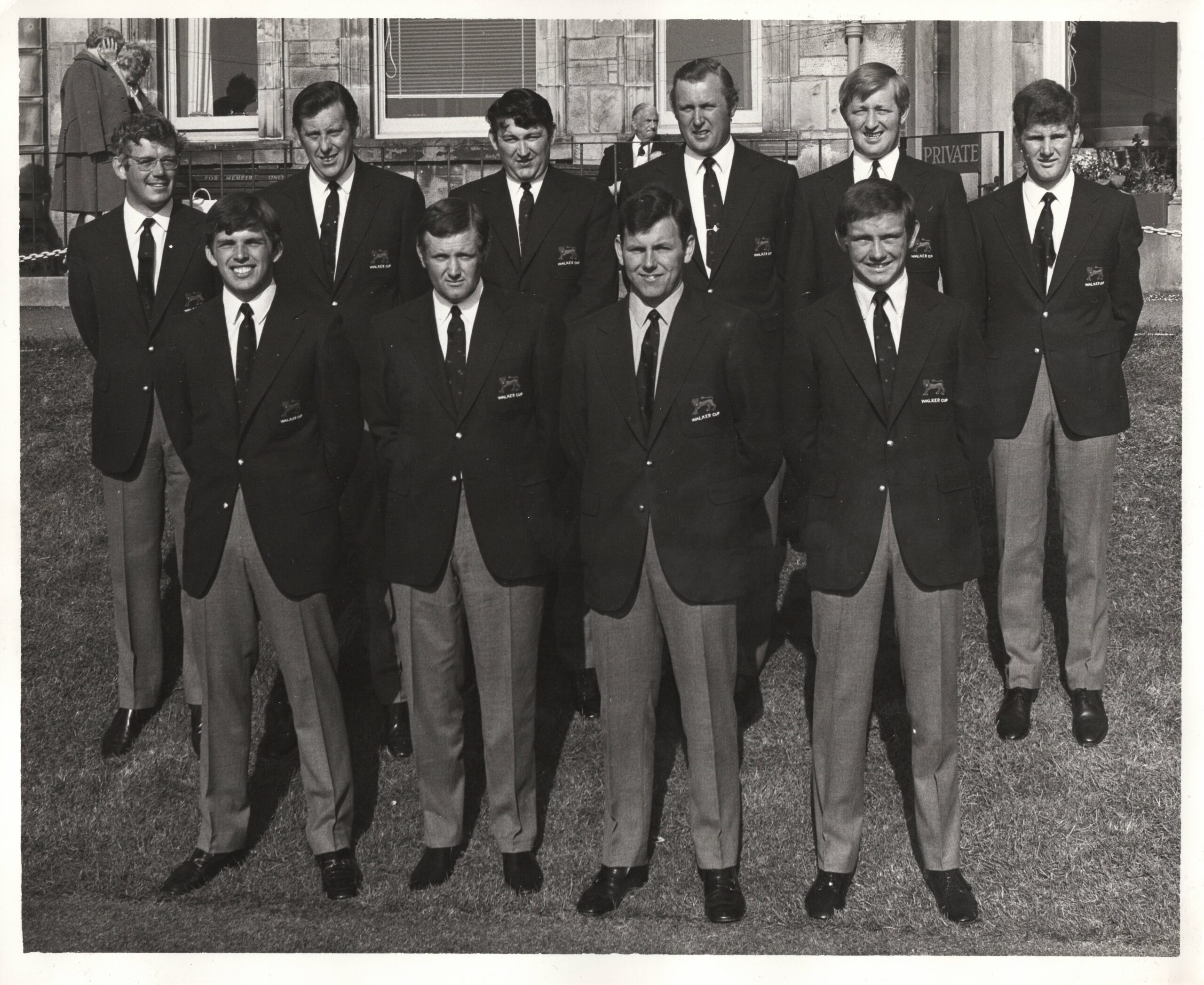
1971 Walker Cup Winning Side
The first-class practice opportunity gained by running the Lytham invitational the week after The Berkshire trophy presented a concentration of medal play over 8 rounds from which the selectors could mull over. Not only did they gain confidence from all 14 of their hopefuls playing all 8 rounds by making the cut at The Berkshire, of the 14 players noted as likely candidates during the previous winter, the first 7 were clear leaders. The next 7 players who were fighting for the three last spots were only separated by 5 shots, with all their aggregates over 8 rounds being between 596 and 601 strokes. It wasn’t an easy selection but Micklem and Oppenheimer had given themselves a mass of evidence and taken a more modern and objective route to selection than prior selection Committees.
I cannot write with certainty as to the composition of the team that will face America in September, but I know the choices will be wise from Dean Robertson and his people. They will undoubtedly be backed by enough science to satiate the golf data and course-fit community, but at their core they will have more in common with Micklem and Oppenheimer’s ways than we realize.
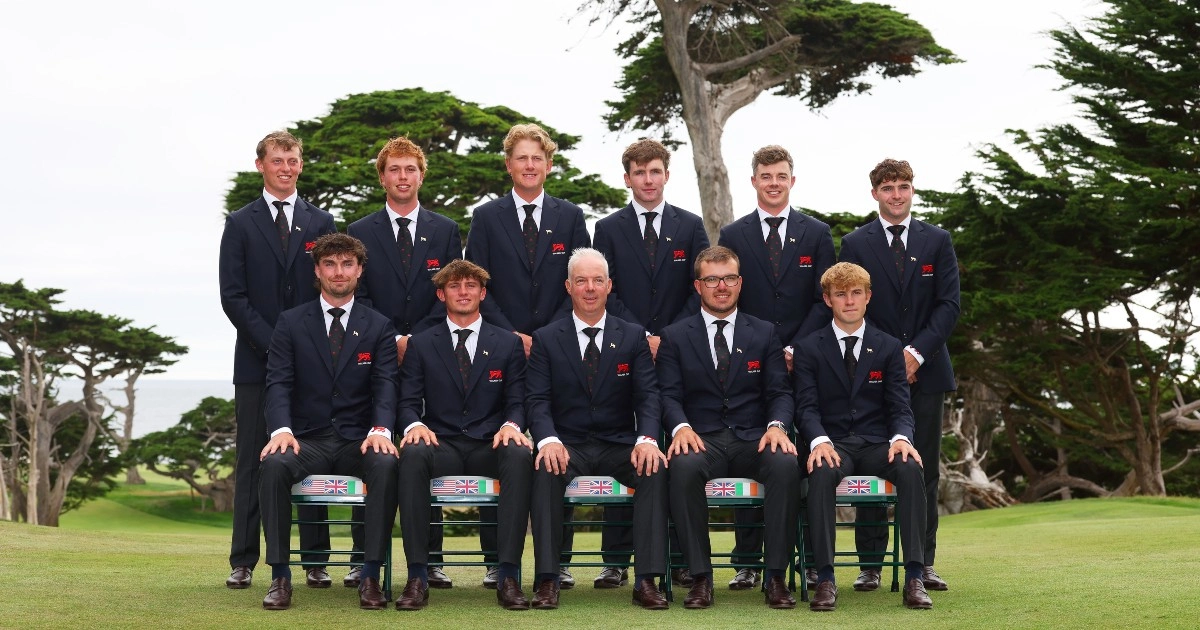
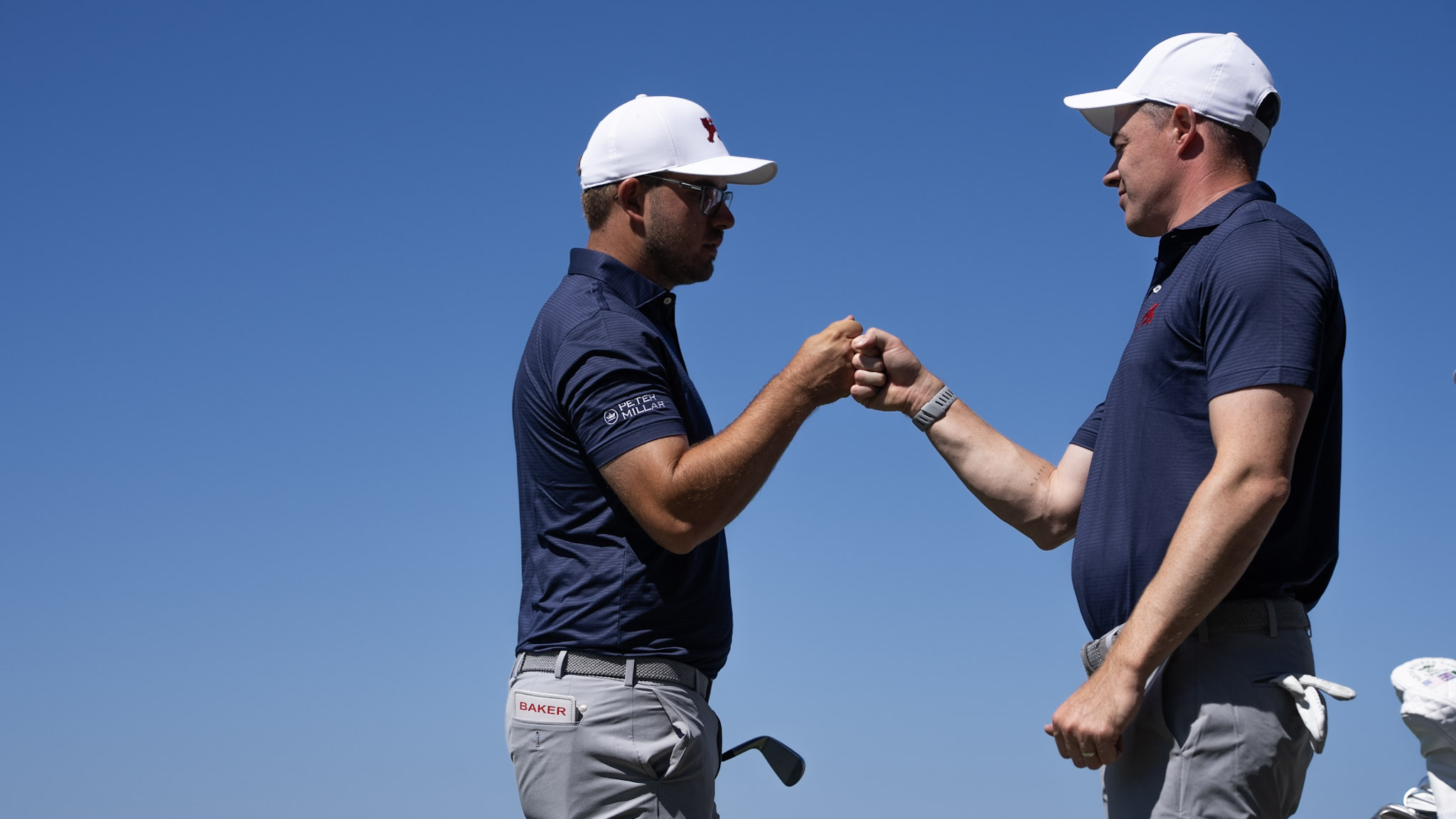
2025 Walker Cup GB&I Side